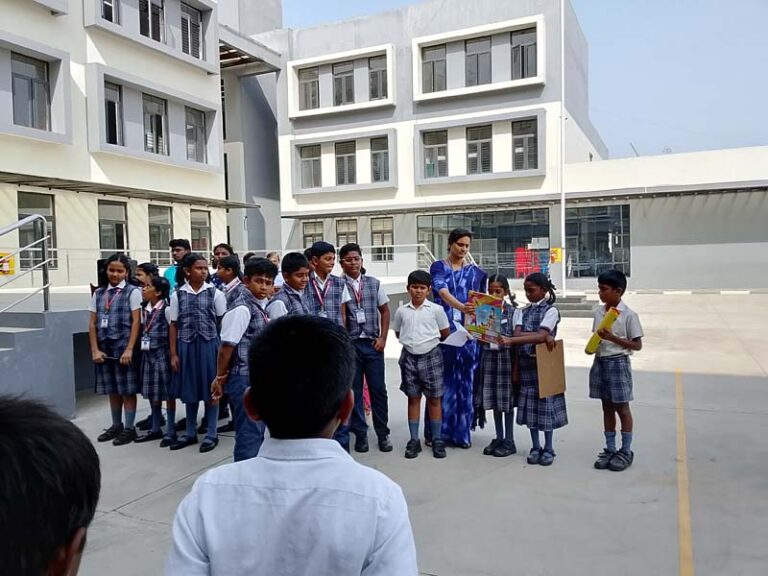
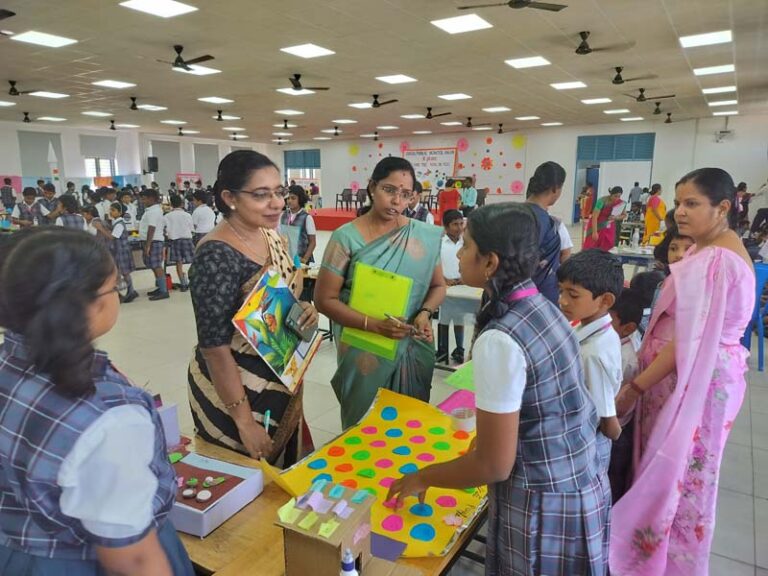
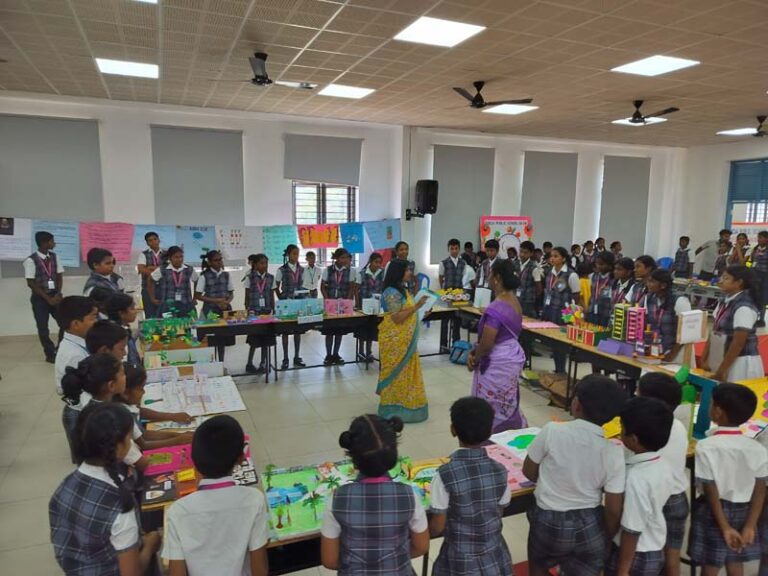
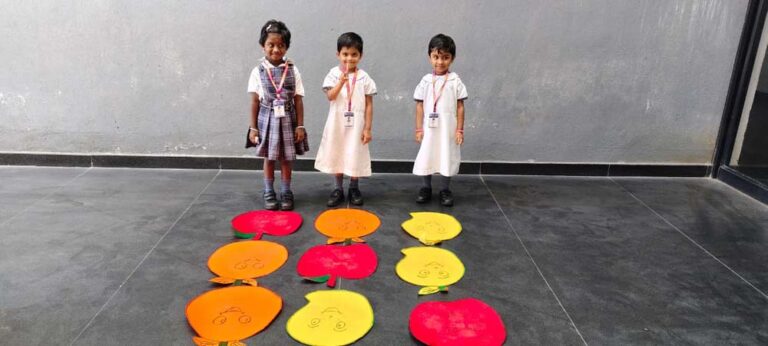
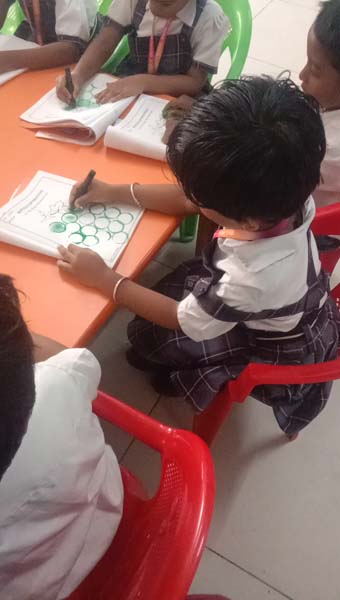
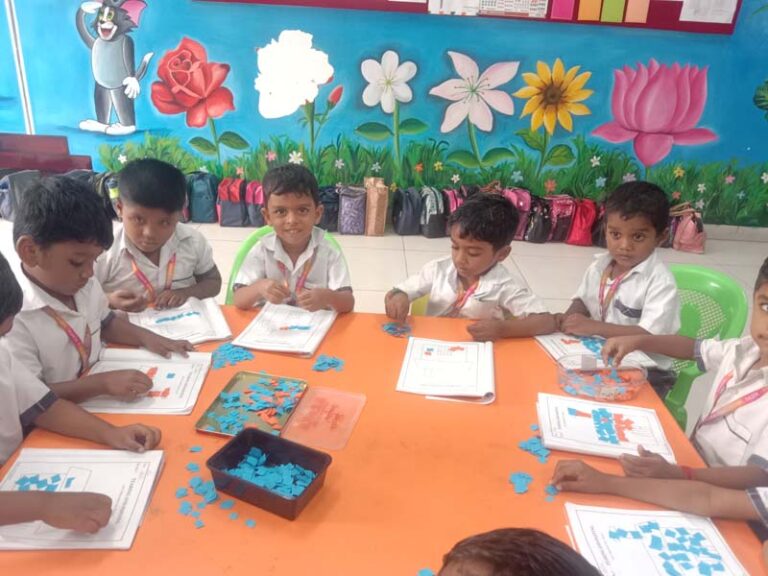
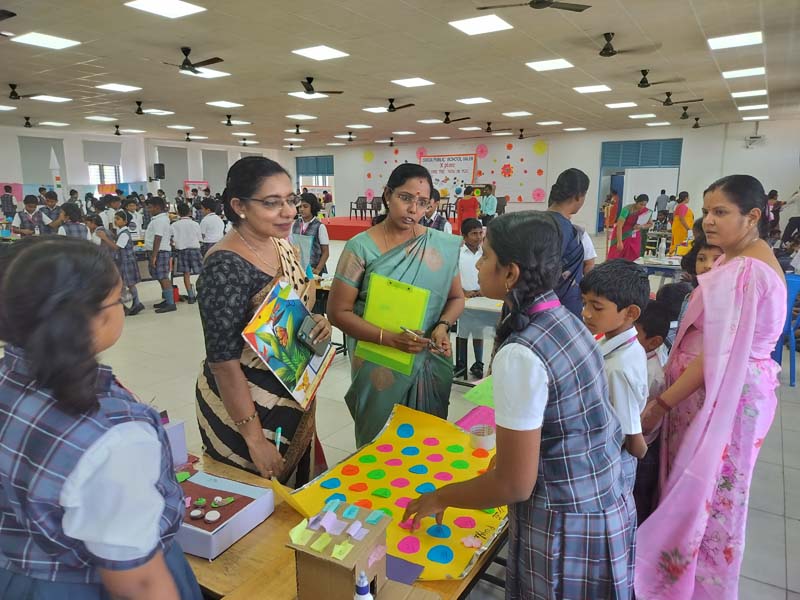
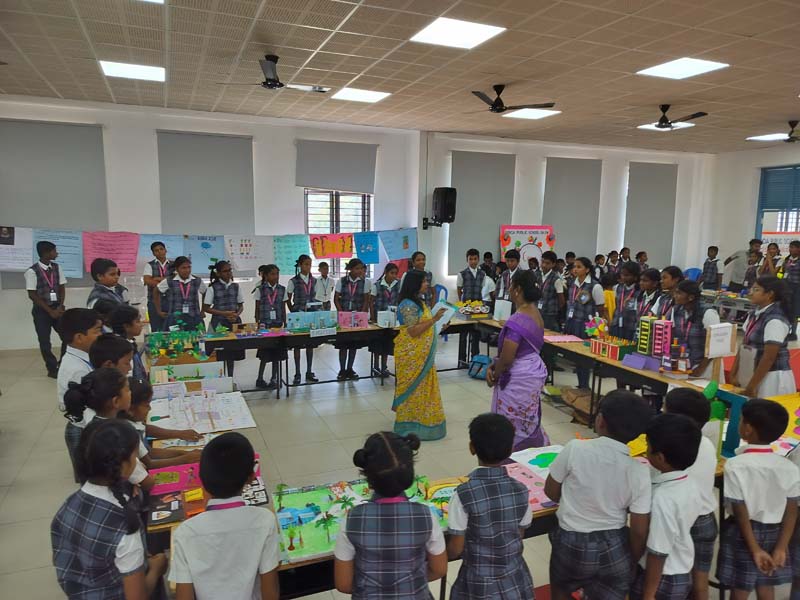
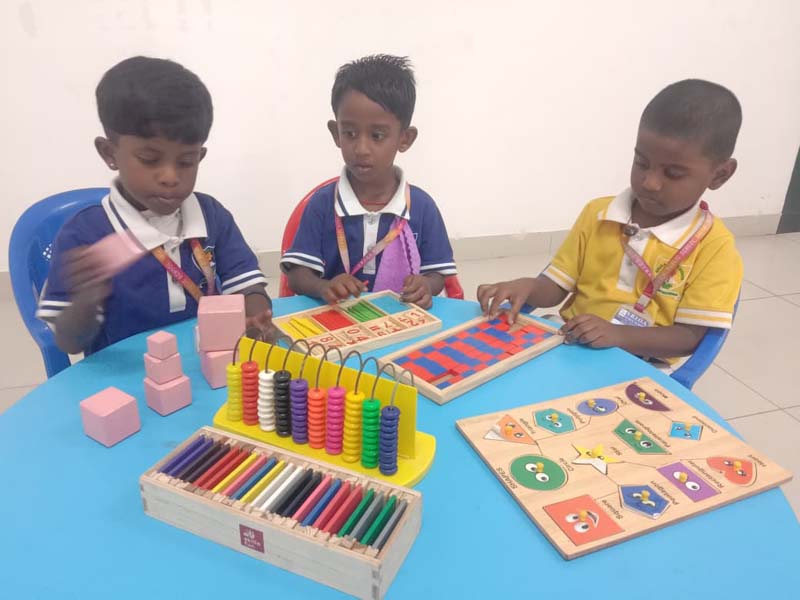
Learning is made experiential through regular exhibitions, project work, and activity-based sessions that encourage creativity, curiosity, and independent thinking among students.
Students are given focused training and structured guidance for participation in interschool competitions, enabling them to develop confidence, discipline, and gain meaningful exposure beyond the classroom.
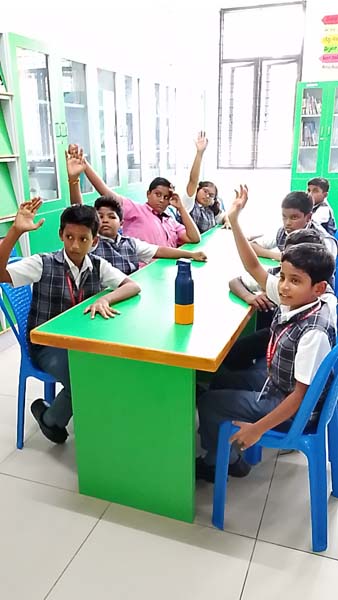
Elocution and quiz competitions are conducted every term for all classes to strengthen communication abilities, enhance analytical thinking, and build confidence in public speaking.
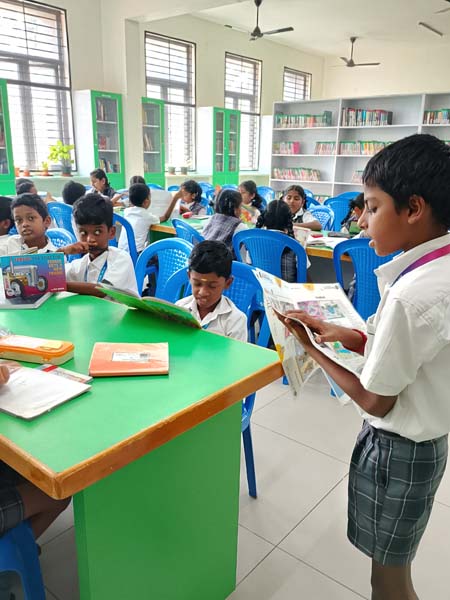
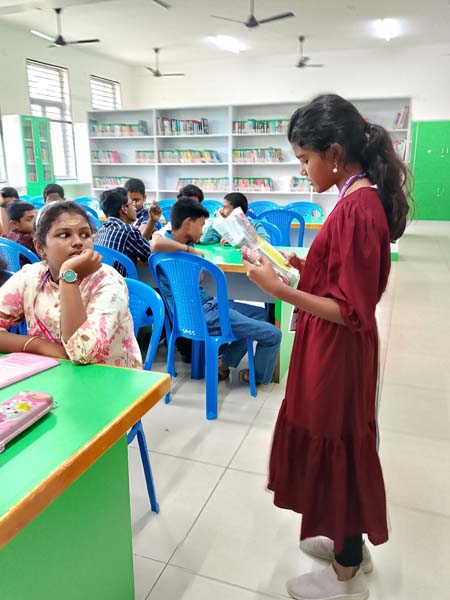
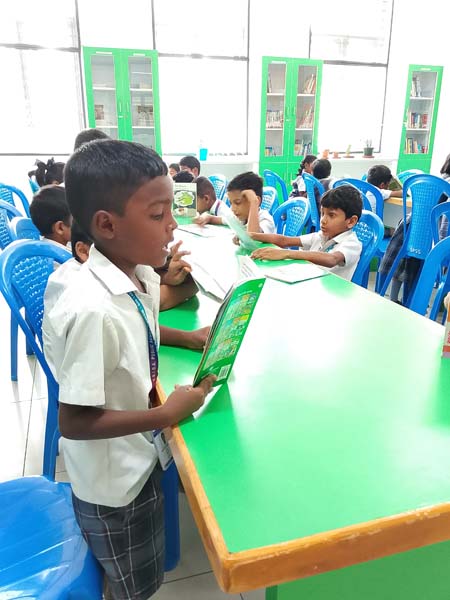
The librarian organizes quizzes and various literary competitions, including weekly assembly quizzes, word puzzles, debates, and book reading activities to encourage reading habits and enhance students’ knowledge and language skills.
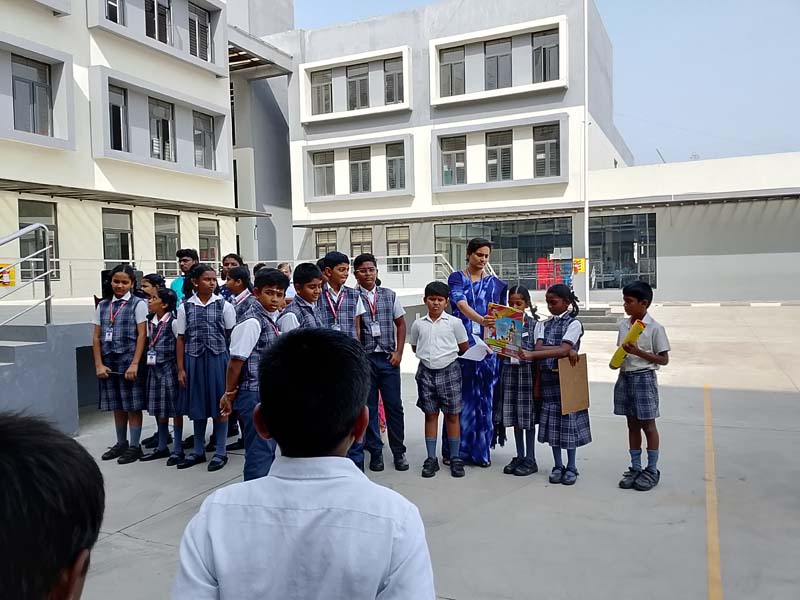
The morning assembly encourages active participation from both students and teachers, fostering an environment that promotes the natural and confident use of English.
Each daily assembly includes a range of language-enriching activities such as news reading, thought for the day, short performances, storytelling, vocabulary building, and pronunciation practice.
Engaging language starters and concluding activities are integrated into every English period to enhance fluency and strengthen effective classroom communication.
Classes that consistently demonstrate effective use of English are recognized on a weekly basis, motivating students to communicate in English throughout the school day.
Regular handwriting practice is conducted each morning before classes begin, along with spelling challenges, to refine writing skills, improve accuracy, and boost students’ confidence in language use.
Building Blocks
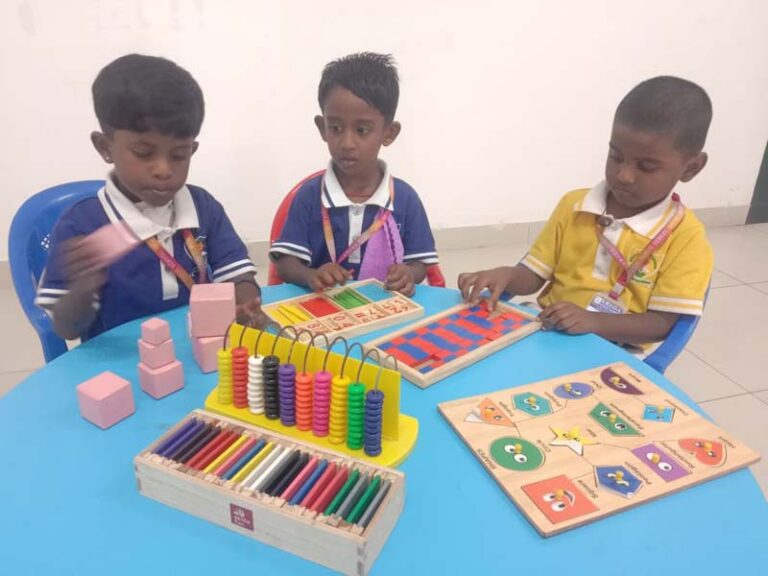
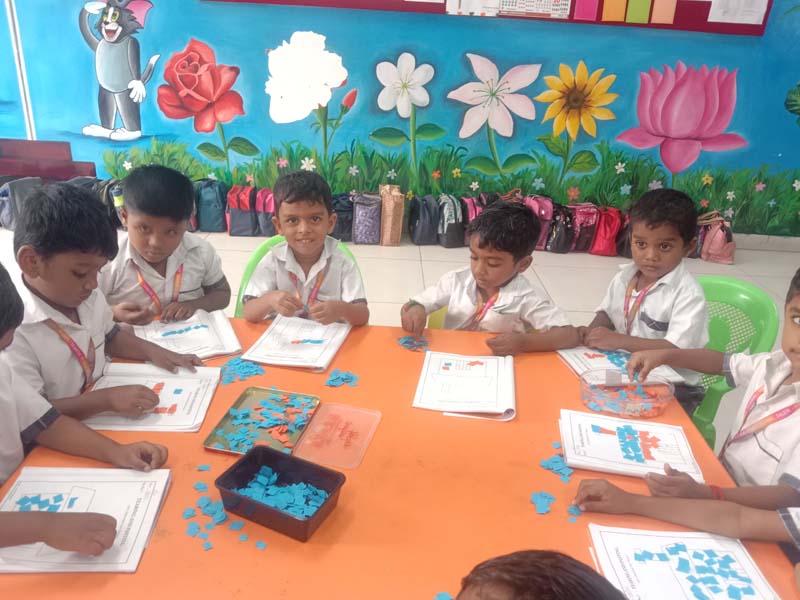
Building blocks help children develop fine motor skills, hand–eye coordination, and spatial awareness.
Activities with blocks encourage creativity, problem-solving, and early mathematical concepts such as shapes, size, and balance.
Collaborative block play promotes teamwork, sharing, and communication among children.
Play-Based Learning
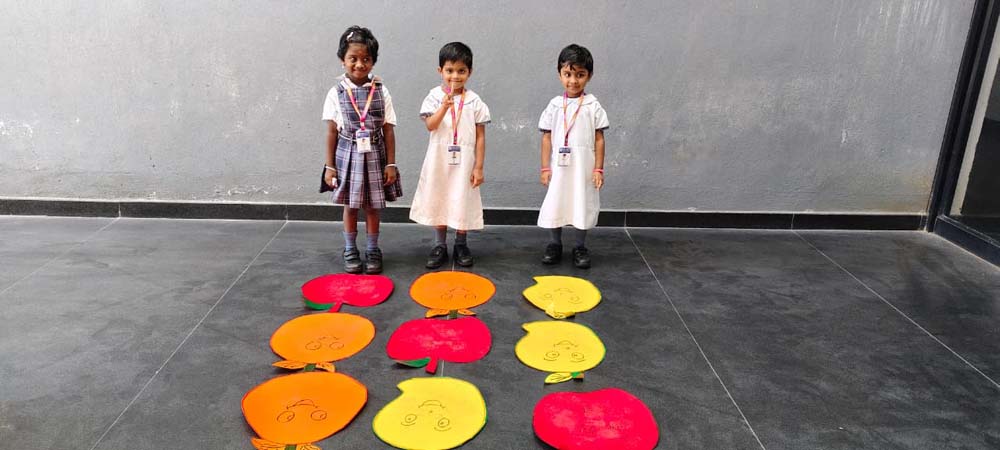
Play-based learning provides a joyful and stress-free environment where children learn naturally through exploration and interaction.
Structured and free play activities help develop social skills, emotional understanding, and self-confidence.
Learning through play enhances curiosity, imagination, and overall cognitive development.
Storytelling Blocks
Storytelling activities improve listening skills, vocabulary, and language comprehension in young learners.
Stories help children express their thoughts, emotions, and ideas creatively.